 Call Us : 08045478712




- Company Profile
-
Our Products
- Transformer Radiator
- Swan Neck Type Radiator
- Press Steel Radiators
- Transformer Pressed Steel Radiator
- Swan Neck Radiatiors
- Direct Weldable Type Radiators
- FA Type Radiators with Flange
- Transformer Radiators
- Stainless Steel Radiator
- Electrical Transformer Radiators
- FA Type Radiators With Graded Elements
- Heavy Duty Transformer Radiator
- Pressed Steel Radiator
- Steel Radiators
- Special Design Radiator
- Flange Type Transformer Radiator
- Radiator For Power Transformer
- Electric Power Transformer Radiator
- Swan Neck Radiator
- Radiators & Accessories
- Max Cool Pressed Steel Radiators
- Power Transformer Radiators
- Tepl Flange Type Pressed Steel Radiators
- Industrial Transformer Radiators
- Tepl Direct Weldable Type Pressed Steel Radiators
- Extra Rippled Transformer Radiator
- Radiators For Power Transformers
- Wide Radiator For Power Transformers
- Power Transformer Radiators
- Dry Type Transformers
- Transformer Components
- Oil Cooled Transformer
- Fuses-Circuit Breakers & Components
- Circuit Breakers
- Onload Tap Changer (OLTC)
- AVR
- LT Distribution Panel
- Nitrogen Injection Fire Prevention System
- Transformer Radiator
- Our Project
- Our Gallery
- Certificates
- Contact Us

 Send Inquiry
Distribution Transformer
Price 300000-1000000 INR/ Piece
MOQ : 10 Pieces
Distribution Transformer Specification
- High Voltage
- Up to 11 kV
- Load Loss
- 1.9 kW (for 1000 kVA at 75°C)
- Cooling Type
- ONAN (Oil Natural Air Natural)
- Rated Voltage
- 11 kV / 0.433 kV
- Coil Material
- Electrolytic Copper
- Voltage Booster Type
- Tap Changer (Off Circuit Tap Links)
- Standard
- IS 1180, IEC 60076
- Operating Temperature
- -25°C to +45°C
- Low Voltage
- 0.433 kV
- Capacity
- 3 kVA to 2500 kVA
- Dimension (L*W*H)
- 1800 mm x 1250 mm x 1700 mm (varies by rating)
- Product Type
- Oil Cooled Distribution Transformer
- Material
- Copper/Aluminum Winding with CRGO Silicon Steel Core
- Output
- Variable as per rating (commonly 11 kV/433 V)
- Frequency (MHz)
- 50 Hz
- Efficiency
- 98% (Typical)
- Phase
- Three Phase
- Usage
- Electrical Power Distribution
- Coil Structure
- Toroidal/Layer Wound
- Coil Number
- 2 (Primary & Secondary)
- Power Scope
- Up to 2500 kVA
- Weight
- Approx. 1850 kg (for 1000 kVA rating)
- Noise Level
- Less than 55 dB
- Accessories
- Oil Level Gauge, Buchholz Relay, Temperature Indicator, Pressure Relief Device
- Insulation Class
- Class A or Class F
- Vector Group
- Dyn11
- Altitude suitability
- Up to 1000 meters above sea level without derating
- Painting / Surface Treatment
- Epoxy or Powder Coated Finish
- Cooling Oil Volume
- Ready as per capacity, e.g., 800 L for 1000 kVA unit
- Mounting Type
- Pole Mounted / Pad Mounted
- Oil Type
- Mineral Oil as per IS 335
- Bushing Type
- Porcelain/Polymer
- Core Type
- CRGO Laminated Core
- No Load Loss
- 1.15 kW (for 1000 kVA)
- Service Life
- >25 years under normal use
- Protection Degree
- IP 23
- Impedance
- 4% (Typical at rated kVA)
- Winding Connection
- Delta-Star (D-Y)
Distribution Transformer Trade Information
- Minimum Order Quantity
- 10 Pieces
- FOB Port
- kolkata
- Payment Terms
- Letter of Credit (L/C), Letter of Credit at Sight (Sight L/C), Telegraphic Transfer (T/T), Cash in Advance (CID), Cheque, Cash Advance (CA)
- Supply Ability
- 10 Pieces Per Day
- Delivery Time
- 30 Days
- Sample Available
- No
- Packaging Details
- standard
- Main Domestic Market
- All India
- Certifications
- ISO 9001:2015
About Distribution Transformer
This high performance Distribution Transformer is known for its 50-60 Hz rated frequency, maximum 11 kV voltage level. Back up fuse and double sensitivity fuse are used to install and connect this device with power supplying unit. Plug in type insulated cable joint of this Distribution Transformer is simple to handle and operate. This energy efficient system deserves praise for its low noise operation, low loss and small volume. Sealed housing of this product is totally protected against moisture, dust and condensation. Spray painted surface of its housing can efficiently resist rust formation. Steel sheet made oil tank of this product is carefully welded to avoid leakage. Compact in shape, this transformer system has gone through a number of testing procedures to prove its flawlessness.
Advanced Electrical Distribution Solution
This distribution transformer is specifically designed for safe and reliable electrical power distribution across varied environments. It combines high-grade CRGO silicon steel core, electrolytic copper/aluminum windings, and Class A or F insulation to ensure exceptional performance, even under demanding conditions. Offering up to 2500 kVA power capacity, the unit guarantees consistent output and robust efficiency.
Durable Engineering & Longevity
Constructed to endure harsh environmental conditions, this transformer features IP 23 protection, corrosion-resistant epoxy or powder-coated finish, and a Buchholz relay system for enhanced safety. The device ensures more than 25 years of service life when used under normal operations and is engineered for noise levels below 55 dB, ensuring smooth integration into urban and rural settings alike.
Comprehensive Features & Standards Compliance
Equipped with vital accessoriesincluding oil level gauge, temperature indicator, and pressure relief devicethis transformer meets IS 1180 and IEC 60076 international standards. Its versatile mounting options and mineral oil compliant with IS 335 offer flexibility and assure optimal operation for electrical power distribution requirements in India and abroad.
FAQs of Distribution Transformer:
Q: How is the insulation class (Class A or Class F) important for the transformers operation?
A: The insulation class determines the maximum temperature the transformer windings can safely handle, ensuring longevity and optimal performance. Class A and Class F insulation options provide flexibility for different operating environments, enhancing durability and heat resistance.Q: What is the function of the Dyn11 vector group in this distribution transformer?
A: The Dyn11 vector group describes the winding configuration and phase displacement between primary (delta) and secondary (star) windings. It allows for effective load balancing and reduction of harmonics, making the transformer suitable for most distribution networks.Q: When should I use pole-mounted versus pad-mounted transformers?
A: Pole-mounted transformers are ideal for overhead distribution in rural or urban areas with limited ground space. Pad-mounted units are preferable for ground installations, providing easier access for maintenance and increased safety in public spaces.Q: Where is this transformer best deployed?
A: This transformer is suitable for use in electrical distribution networks, both in industrial and commercial settings. Its robust construction, noise control, and adaptability for various mounting types make it compatible for use across city grids, industrial estates, and remote installations.Q: What process is followed for ensuring transformer protection and operational safety?
A: The transformer is equipped with protection features such as an oil level gauge, Buchholz relay, temperature indicator, and pressure relief device. These systems enable early detection of faults and safe operation, minimizing risks of damage and downtime.Q: How does using mineral oil as per IS 335 benefit the transformer?
A: Mineral oil, compliant with IS 335, provides effective cooling and insulation, reducing oxidation, extending service life, and minimizing maintenance needs. This ensures the transformer operates efficiently within the specified temperature range and environmental conditions.Q: What are the advantages of having a service life of over 25 years?
A: An extended service life translates to reduced replacement costs, lower operational downtime, and long-term reliability for electrical networks. Proper use, as per guidelines, assures continuous and efficient power distribution for decades.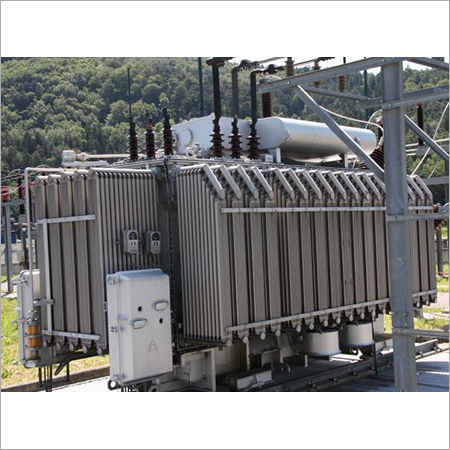
Tell us about your requirement

Price:
Quantity
Select Unit
- 50
- 100
- 200
- 250
- 500
- 1000+
Additional detail
Mobile number
Email

More Products in Oil Cooled Transformer Category

Contact Us
THERMOCOOL ENGINEERING PVT LTD
GST : 19AACCT0419M1Z6
GST : 19AACCT0419M1Z6

- Ramchandrapur Industrial Area, Ramchandrapur, P.O : Narendrapur,Kolkata - 700103, West Bengal, India
- Phone : 08045478712
- Mr Samya Chakravarty (Managing Director )
- Mobile : 08045478712
- Send Inquiry
 Send Inquiry

|


 Send Inquiry
 Send SMS
 Call Me Free
THERMOCOOL ENGINEERING PVT. LTD.
All Rights Reserved.(Terms of Use)
Developed and Managed by Infocom Network Private Limited.
Developed and Managed by Infocom Network Private Limited.

